Abandoned Cart Automation – How to Recover E-Commerce Customers


An abandoned cart is every online seller’s worst nightmare. You’ve likely seen it in your own analytics: a shopper lands on your site, browses around, eagerly adds items to their cart, and then… vanishes right before completing the purchase. Hurts, doesn’t it? It should – research shows the average cart abandonment rate sits at over 70% (Baymard Institute, 2024). That means a massive chunk of your potential revenue slips away right at the finish line, just steps from the checkout.
This loss hurts your bottom line and shrinks the ROI on ad campaigns you’ve already paid for. It forces a key question: how do you bring shoppers back to complete their purchase? Instead of watching more customers walk away, see what we’ve put together for you. Read on to discover how marketing automation can help you effectively recover e-commerce customers and turn abandoned carts into real profit.
Why Do Customers Walk Away Right Before Checkout?
To fix a problem effectively, you first need to land the right diagnosis. The reason a customer drops out mid-purchase might actually be a friction point you unintentionally put in their way.
- Hidden Costs at the Finish Line
Surprise shipping fees or service charges added on the final screen can account for a huge chunk of abandoned carts. If a shopper feels blindsided at checkout, they’ll simply close the tab.
- Procedural Obstacle Courses
Mandatory account creation and overloaded forms are total conversion killers. The longer it takes a customer to fill out fields, the more time they have to second-guess their decision.
- Lack of Trust and Preferred Payment Methods
Data security concerns or missing familiar, go-to payment methods can be a major dealbreaker in our day-to-day lives, especially nowadays, with scams constantly making the news and media warnings everywhere. In Poland, BLIK is an absolute must-have, but don’t overlook options like Apple Pay or Google Pay either. Missing a customer’s favorite payment method poses a serious threat to conversion rates, so focus on creating a secure environment where shoppers feel they can fully trust you.
A Two-Pronged Strategy: Stop the Drop-Offs and Recover Those Who Left
You’ll only get real results if you combine prevention with recovery. After all, even a one-man show can’t handle everything alone. That’s why relying on tools that lighten the workload, like automation (especially in marketing 😉), is so crucial.
Think of this process as a two-stage safety net:
- Prevention (Form Optimization)
Remove friction before your shoppers even run into it. Enable guest checkout, display estimated shipping costs right on the product page, and trim your checkout form down to the bare essentials.
- Recovery (Automation)
Bet on reliable tools that send personalized messaging to users who, despite the smooth experience, still left without completing their payment. Heads up, though! Make sure to read to the end of the article to uncover the potential pitfalls hiding here.
How and When to Reach Out to a Customer Who Left Their Cart Behind
When it comes to saving a sale, timing and channel selection are everything. Don’t flood the shopper’s inbox with spam. Instead, start a thoughtful conversation.
Sample 3-Email Sequence:
- Step One: The Reminder
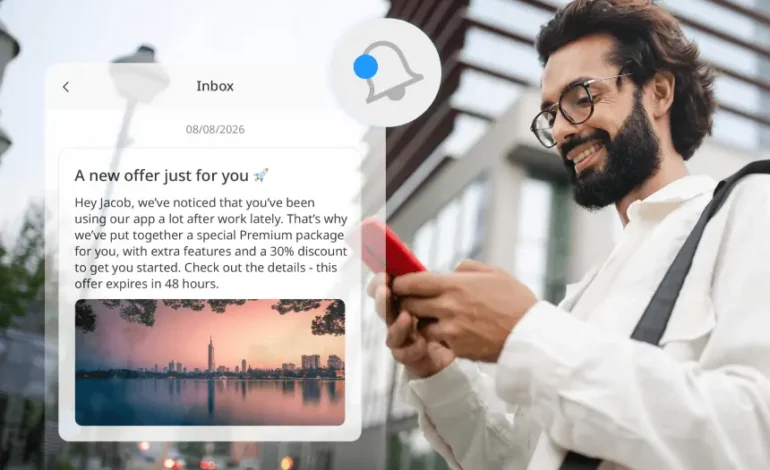
Send a neutral message with a preview of their cart. No discounts here – this is designed to catch shoppers who simply got distracted.
- Step Two: Social Proof
Showcase reviews from happy customers, link to an FAQ section, or offer help with any technical issues.
- Step Three: The Final Push
Send a discount code (5–10%) or offer free shipping with a short expiration date. This provides that final nudge and creates a gentle sense of urgency.
Keep in mind, though, that the order of steps two and three isn’t set in stone – you should tailor it to your specific business. Most stores want to protect their margins, which is why social proof (reviews) comes first, leaving discounts as a last resort. However, if you’re selling impulse items with lower margins or running an aggressive inventory clearance, bringing in a price incentive earlier might be the better play.
- SMS Recovery
When time is of the essence, send an SMS or WhatsApp message. A text delivered a few hours after cart abandonment lets the customer finish their purchase with a single tap on their phone.
- AI Intervention Before They Leave
Modern algorithms can detect the exact moment a mouse cursor heads toward the “close tab” button. Real-time intervention lets you catch the shopper before they even exit the store.
A dynamic pop-up highlighting a free shipping threshold works wonders here. Rather than handing out discounts right away, the system shows the shopper exactly how much more they need to spend to get free delivery and suggests small add-on items on the spot.
Displaying the remaining amount for free shipping removes that surprise-cost barrier we mentioned earlier. It’s a simple way to win back hesitant shoppers while instantly boosting your average order value.
Uncompromising Segmentation: Tailor Your Messaging
If you want to maximize your results, unlock the full power of marketing automation through list segmentation. It’s the key to making sure the right message hits the right inbox every single time.
- Tailor Messaging by Basket Value
Nurture high-value carts (e.g. over 500 PLN). Here, it actually pays off to offer a steeper discount or connect the shopper directly with a sales representative.
- A Different Approach for New vs. Returning Customers
Offer a first-time buyer a welcome code and focus on building trust. For loyal customers, remind them of the rewards points they’ve already accumulated.
- B2B Nuances
In business relationships, decision-making cycles take longer. Instead of a quick 3-email sequence, map out a longer educational journey (even 10-15 steps) and get your sales team involved in the loop.
Stay Compliant: GDPR in Marketing Automation
This brings us right back to the trap we mentioned earlier. Driving sales effectively has to go hand in hand with legal compliance. A single mistake in your forms could cost you far more than the revenue you gain from recovered carts:
- Marketing Consents Are Non-Negotiable
Keep in mind that sending automated follow-up messages requires explicit, prior marketing consent. You can’t bundle this consent together with the agreement to process the order itself.
- Transparent Privacy Information
Make sure your privacy policy is easy to find, and always use clear, pre-unchecked consent boxes on your forms.
See What You Gain
Everything you’ve read about above, and so much more, iPresso can handle for you.
Book a briefing session to learn more!
FAQ
Why do online shoppers abandon their carts right before completing a purchase?
According to research by the Baymard Institute (2024), the average online cart abandonment rate exceeds 70%. The primary reasons customers walk away at checkout include:
- Hidden Costs: Unexpected shipping fees or extra service charges added on the final screen.
- Procedural Friction: Mandatory account registration and excessively long, complicated checkout forms.
- Lack of Trust and Payment Options: Missing familiar payment methods (such as BLIK in Poland, Apple Pay, or Google Pay) and concerns over data security.
What is the recommended 3-email sequence for recovering abandoned carts?
A strategic 3-step automated email sequence helps recover lost sales while protecting your profit margins:
- Step 1 (The Reminder): A neutral email sent shortly after abandonment displaying the cart contents for shoppers who simply got distracted.
- Step 2 (Social Proof): An email featuring customer reviews, FAQ links, or technical support to resolve buyer hesitations.
- Step 3 (The Final Push): A time-sensitive discount code (5–10%) or free shipping offer as a final incentive to close the sale.
How does real-time AI intervention work to stop shoppers from leaving?
AI exit-intent algorithms detect when a user’s mouse cursor moves toward closing the browser tab and trigger an immediate response. Instead of handing out discounts, the system displays a dynamic pop-up showing the exact remaining amount needed to qualify for free shipping, while recommending relevant add-on products to boost Average Order Value (AOV).
How should cart recovery strategies differ for high-value carts, loyal customers, and B2B buyers?
Automation platforms allow you to segment shoppers and tailor your outreach:
- High-Value Carts: For large orders (e.g., over 500 PLN), offer higher incentives or direct routing to a sales representative.
- New vs. Returning Customers: Offer new buyers a welcome code to build trust, while reminding loyal customers of their accrued reward points.
- B2B Transactions: Replace short 3-email sequences with longer educational workflows (10–15 touchpoints) that involve direct sales team outreach.
What GDPR compliance rules apply to automated cart recovery messages?
Automated follow-up emails and SMS messages require explicit, prior marketing consent from the shopper. Under GDPR, this marketing opt-in cannot be bundled with the general terms of order processing, and all consent checkboxes on checkout forms must remain unchecked by default.