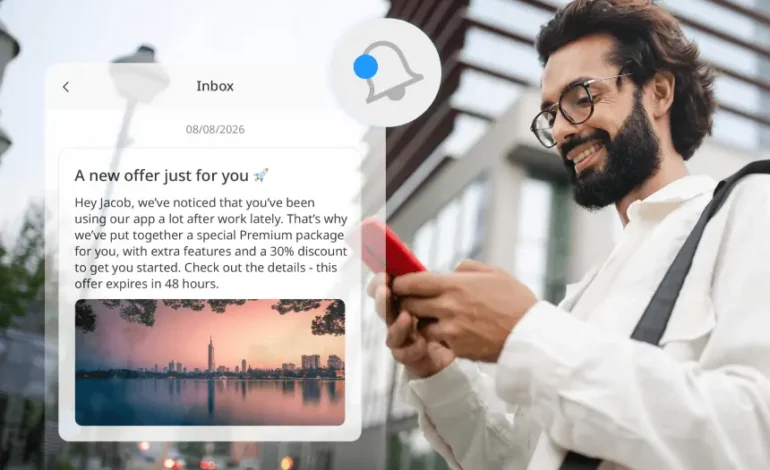
Business Messaging: When Is It Time to Implement It?


Chat notifications, SMS messages, incoming emails – text messages hit us from all directions, all day long. You get them, your employees get them, and so do your customers, often right in the middle of the workday. However, how do you maintain proper business etiquette in all this noise without alienating your audience?
Business Messaging is much more than just another sales tool. It’s a well-thought-out communication network that streamlines information sharing at every level – from automated customer notifications to data flow between teams across the company.
Discover exactly when to lean on this tool and how to build lasting relationships with it – and most importantly, how to make the job effortless using automation. It works quietly in the background, serving up the right information precisely when it’s needed. Think of it like a discreet butler who glides up to the table the exact moment your water glass needs a top-off.
Here is how to set up this system in your own business and send messages that drive real results.
What Is Business Messaging Anyway, and Why Isn’t Email Enough?
Email definitely has its place in business, but it doesn’t always make someone pull out their phone seconds after getting a notification. Business Messaging is direct outreach right where your customers and employees spend most of their time – in SMS and messaging apps like WhatsApp or Messenger. It’s all about short, straight-to-the-point messages that get things done without delay. Paired with automation, it becomes a handy tool for everyday tasks: from sending authorization codes and shift change alerts to one-click appointment confirmations.
Multichannel, Omnichannel, or Business Messaging? Stop Mixing Them Up
It’s easy to get these terms mixed up, but in practice, the difference is simple, and it directly impacts your bottom line:
- Multichannel
You send the same message across several channels at once, like email and SMS. The channels run side by side, but they don’t talk to each other. It’s a solid way to boost your reach, however, because the channels operate independently without sharing data, it can cause friction if messages aren’t properly synced.
- Omnichannel
Omnichannel integration takes multichannel a step further by connecting all your touchpoints into a single system. If a customer starts a chat on your website, they can seamlessly finish it on WhatsApp while the system preserves the entire conversation history. It’s great for elevating the user experience, though it often requires a bigger tech investment and complex database integration.
- Business Messaging
This is our sweet spot and the main focus today. It refers to the specific way you communicate within these channels. It centers on short, functional, real-time messaging for quick information exchange. It can be part of an omnichannel strategy or work as a standalone operational tool.
A simple way to look at it: email is for storytelling and education, while Business Messaging is for things that need immediate attention.
When Is It Actually Worth Implementing? 4 Moments Where Business Messaging Makes All the Difference
You don’t need to send a message at every possible opportunity. Here are the moments where this format delivers the best results:
- Urgent Operational Notifications
Order status, critical system alerts, or appointment reminders. Open rates for SMS and messaging apps reach up to 90%, so you can be sure critical information arrives right on time.
- Lightning-Fast Support and a Shorter Buyer’s Journey
Does a customer want to change a delivery date or ask about product availability? Instead of making them wait for an email response, you let them resolve the issue with a single word on WhatsApp.
- Streamlining Team Communication
An automated chat alert about a new, sales-ready lead lets your team react within minutes.
- Rescuing Abandoned Processes
When a key stage of the purchase process stalls, a short, personalized message sent at just the right moment closes the sale faster than a standard email campaign.
You’ve Got a Message: It’s Time to Implement!
Business Messaging doesn’t replace your existing channels – it fills the gap right where time is of the essence. If you want to shorten the buyer’s journey and take the pressure off your team, now is the perfect time to make it happen.
See for yourself how Business Messaging can streamline communication in your company. Fill out a short brief to get in touch with us!
FAQ
What is Business Messaging anyway, and why isn’t email enough?
Business Messaging focuses on short, straight-to-the-point, real-time outreach directly where your customers and employees spend most of their time – in SMS and messaging apps like WhatsApp or Messenger. While email is built for storytelling and long-form education, Business Messaging resolves matters requiring immediate attention (such as sending authorization codes, shift change alerts, or one-click appointment confirmations).
What is the difference between Multichannel, Omnichannel, and Business Messaging?
These terms differ in technical setup and operational focus:
- Multichannel: Sending the exact same message across multiple independent channels (e.g., email and SMS at once) without data sharing between them.
- Omnichannel: Integrating all touchpoints into a single connected system—allowing a customer to start a chat on a website and seamlessly finish it on WhatsApp with the full conversation history preserved.
- Business Messaging: The specific, functional way you communicate within these channels. It centers on fast, real-time information exchange and can operate as part of an omnichannel strategy or as a standalone tool.
When is it actually worth implementing Business Messaging in your company?
Business Messaging delivers the highest impact across 4 key operational moments:
- Urgent operational notifications: Order status updates, system alerts, and appointment reminders (open rates for SMS and messaging apps reach up to 90%).
- Lightning-fast support: Allowing customers to reschedule deliveries or check product availability with a single word on WhatsApp.
- Streamlining team communication: Automated chat alerts notifying employees about a new, sales-ready lead so they can react within minutes.
- Rescuing abandoned processes: Delivering a short, personalized message right when a key purchase stage stalls, closing the sale faster than a standard email campaign.
How does marketing automation power Business Messaging?
Marketing automation works quietly in the background like a “discreet butler who glides up to the table the exact moment your water glass needs a top-off”. It automatically serves up critical information right when it’s needed—handling notifications, recovering stalled processes, and routing lead alerts to team members without manual effort.