How to Reach E-commerce Customers via Mobile App and SMS?

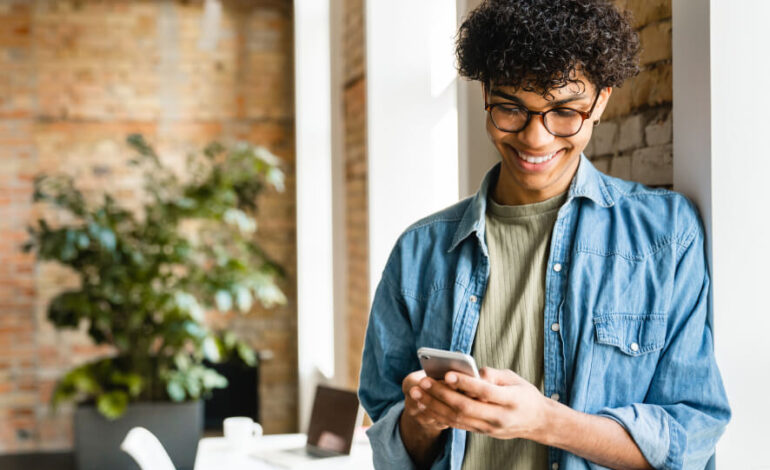
Effective outreach to e-commerce customers in a mobile environment relies on the synergy of direct text messages and in-app notifications, which together maximize conversion and user loyalty. The key to success lies in leveraging precise targeting and tools that automate these processes in real-time.
1. Mobile-First as the Standard of Modern Commerce
In the era of the smartphone, which accompanies us at every step, e-commerce marketing has had to evolve. Traditional emails often get lost in a sea of offers, which is why brands are looking for more direct communication channels. Combining the power of short text messages with the interactive capabilities of a mobile app creates a powerful sales tool. In this article, we will look at how to cleverly combine these two worlds to increase your store’s profits.
2. The Potential of SMS Marketing in E-commerce
Despite the growth of instant messengers, SMS marketing remains one of the most effective tools. Its main advantage is an incredible open rate, which often exceeds 95%.
2.1. Why is it Worth Investing in SMS Automation?
SMS automation allows for sending messages in response to specific customer behaviors, significantly increasing their effectiveness:
- Abandoned Cart Recovery: A reminder about abandoned products sent 30 minutes after the user leaves the site.
- Order Status Notifications: Building trust by informing the customer about every stage of delivery.
- Exclusive Offers: Short-term discount codes valid for only a few hours, building a sense of urgency (FOMO).
3. In-App Marketing: Engaging the User Inside the Application
If your store has its own app, in-app marketing is a natural step toward personalizing the shopping experience. These are messages displayed to the user while they are actively using your software.
3.1. Types of In-App Communication
- Push Notifications: System-level notifications that encourage the user to enter the app.
- In-App Banners: Information about ongoing promotions visible on the home screen.
- Surveys and Feedback Requests: Gathering opinions immediately after a purchase is made.
4. Marketing Automation as a Bridge Between Channels
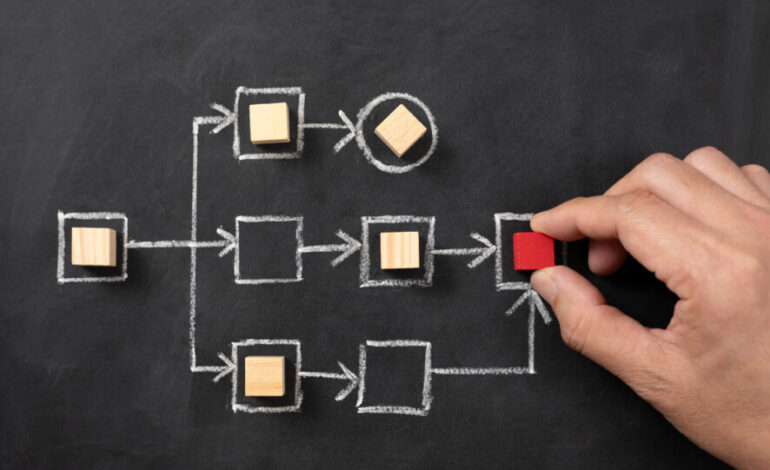
The real magic happens when marketing automation integrates both of these channels into one cohesive system. Instead of treating SMS and the app as separate entities, create a multi-channel customer journey (omnichannel).
4.1. Example Automation Scenario
- Step 1: The customer receives a Push notification about a new collection.
- Step 2: If they don’t click the notification within 4 hours, the system sends an SMS message with a unique link.
- Step 3: Upon entering the app, the user sees a personalized in-app message with a discount on products they previously viewed.
Summary
Effective e-commerce marketing in the mobile space is not about bombarding the customer with messages, but about delivering value right where they are. By cleverly combining SMS automation with in-app interactions, you can significantly increase your customers’ LTV (Lifetime Value) and make your store their first choice for mobile shopping.
Q&A
Question: Isn’t SMS marketing perceived by customers as too intrusive?
Answer: It all depends on frequency and context. If you use marketing automation to send valuable information (e.g., package status or a genuine promotion on a product the customer likes), it will be perceived as helpful. The key is database segmentation and avoiding mass mailings without personalization.
Question: What is the difference between a Push notification and in-app marketing?
Answer: Push notifications reach the user even when they are not currently using the app (they appear on the lock screen). In contrast, in-app marketing refers to communication that occurs exclusively inside the launched application, allowing for interaction with the customer exactly when they are ready to browse the offer or make a purchase.